Phones answered 24/7Jenkintown, PA 19046
Call (833) 490-5225
Phones answered 24/7Call any time(833) 490-5225
Serving Montgomery County

Stone Basement Water Damage in Jenkintown

Cleanup and drying for older cellars where water weeps through the face of rubble stone walls rather than through a crack.

  • Phones answered 24/7
  • Flooded basements, burst pipes, sewer backups
  • The emergency figure is agreed up front
  • Readings and photographs from every visit, for your claim

Get a fast quote

Fastest: call (833) 490-5225. Or send this and we call you back.

Stone Basements

Stone Basement Water Damage: what it covers

Quick answer

Water in a stone basement usually arrives differently from a flood: it weeps through the face of the wall and the mortar joints after long rain, as the ground outside saturates. The crew removes the water and wet materials and dries the cellar, but waterproofing, repointing and drainage are done by masons and waterproofers.

Stone Basement Water Damage illustration for Jenkintown, PA, with a creek and the city skyline in the background

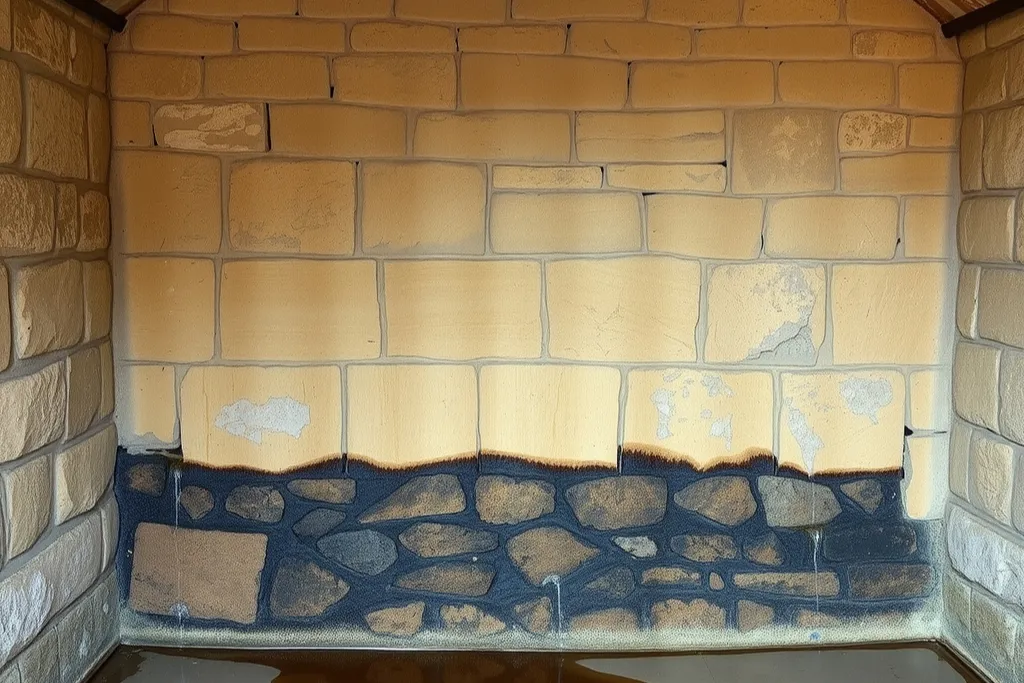
If you have stood in an old stone cellar after a week of rain, you know the scene. Nothing has burst and no pump has quit. The wall is dark and glistening in patches, a thin film of water runs down to the floor, the air smells of wet stone, and a pale crust of salts is drying on the face of the mortar where the water has already come and gone.

Walls like these are often built of rubble stone laid in a lime-based mortar, sometimes with a cement coat, called parging, brushed over the inside or outside face. That is general practice for older masonry, and the details vary house to house. Lime mortar is softer and more porous than modern cement, and the wall as a whole was designed to breathe and shed some moisture, not to be a sealed tank.

This page is about what water does to such a cellar and what the cleanup involves. It is a different problem from a flood event, which brings water in volume, and the basement flooding page covers that. Here the crew's role is to dry out and clean what the seepage has touched, and to tell you plainly what it cannot fix.

Service area
Jenkintown & Montgomery County
Availability
Phones answered 24/7
Typical cost
Free–$200 (estimate)
Warning signs

Signs you need stone basement water damage

Do not paint or seal a wet stone wall, and do not chip away mortar or scrape the wall on your own: older mortar and plaster can contain materials that need care, and in homes built before 1978 lead paint falls under the federal Renovation, Repair and Painting rule. Check with your local authority before any demolition.

  • Damp or dark patches on the face of the wall that grow after several days of rain
  • A white or gray powder, called efflorescence, on stone or mortar
  • Mortar that is sandy, crumbling or washing out of the joints
  • Parging or old paint flaking off the wall in sheets
  • A film of water running down the wall to a line of damp on the floor
  • A musty smell that peaks in humid weather or after storms
  • Rust on the furnace base, shelving legs or metal stored near the wall
  • Stored items that go damp or moldy only on the stone-wall side
A wet rubble-stone cellar wall with dark mortar joints, salt bloom and clear water running down the stones.
Century-old mortar lets groundwater through after a long wet spell, and the stone takes days to dry.Each picture on this site was generated to show the old stone and brick houses around Jenkintown and the kind of water damage they suffer; none of them is a photograph of a real home or of any job done for a customer.
Our process

How our stone basement water damage visit works

  1. Look at the wall and the weather

    The crew notes where the wall is wet, how the water is moving and what rain preceded it. Weeping that follows a week of wet weather points to saturated ground, while a single wet spot may point to a gutter, a window well or a leaking line.

  2. Measure what the wall and floor hold

    A meter on stone and mortar reads differently from one on wood or drywall, so the crew uses it to compare wet and dry areas on the same wall and records the readings. Thermal imaging shows cool, wet areas behind finishes.

  3. Remove the water and what it spoiled

    Standing water is pumped or extracted. Stored goods, wet insulation, paneling or stud walls built against the stone are removed where they hold moisture against the wall, with your approval.

  4. Dry with dehumidification, not just fans

    Stone releases water slowly, so dehumidifiers carry the load and air movers keep air moving across the face of the wall. Drying can take longer than in a framed room, and readings are repeated daily.

  5. Clean and treat the surface

    Loose salts and surface growth are brushed or cleaned away, and an antimicrobial may be applied where growth is present. Fresh paint or sealer over a wall that has not dried only traps the problem.

  6. Point you to the right trade for the cause

    If the wall keeps weeping, the cure is outside the crew's work: grading, gutters, repointing, parging repair, drain tile or an interior drainage and pump system. You are told what to ask those contractors.

Cost

How much does stone basement water damage cost in Jenkintown?

A stone cellar job costs less when the water is a seep that was caught early and more when finished walls, stored items or flooring have been hit. The pieces below are the ones that apply most often.

Stone Basement Water Damage pricing in Montgomery County (2026)
JobTypical rangeWhat it includes
Emergency inspection and moisture assessmentFree–$200Includes a look at wall, floor and weather history
Structural drying, one cellar room, three to five days$800–$2,500Masonry may need longer, which is quoted as it becomes clear
Commercial dehumidifier, LGR, per unit per day$75–$150The main drying tool for stone
Antimicrobial application, per sq ft$0.50–$2.00Where surface growth is present
Flooded basement cleanup, typical total per cost guides$2,000–$7,000For the case where seepage has become standing water

The last row is a published roundup figure and the others are working estimates for Montgomery County in 2026 drawn from trade ranges; none is a price list. The crew confirms the work and cost on site, and masonry repair, waterproofing and drainage are separate trades with their own quotes.

Job stories

Typical jobs for stone basement water damage

Typical job
Illustration: A stone foundation wall weeps after a long wet spell in Chestnut Hill

A stone foundation wall weeps after a long wet spell in Chestnut Hill

What homeowners notice
After more than a week of steady rain, water begins to bead and run from the mortar joints of a rubble-stone foundation wall in an old Chestnut Hill house. It pools along the base of the wall, darkens a wooden workbench and storage shelves, and soaks a stack of cardboard boxes.
What we do
The crew extracts the water, removes the soaked cardboard and checks the wall, the sill and the floor with moisture meters. It sets air movers and a dehumidifier aimed along the wall and points out the open joints and the gutter discharging near that corner, noting that repointing the stone and regrading are for a mason or waterproofing contractor.
What to expect
The wall and floor test dry after a few days, the homeowner has photos and readings for their records, and the mason is called about the mortar before the next wet season.

2–3 hours typical visit

Why does an old stone wall weep instead of leak?

A rubble stone wall is a mass of stones held by mortar, and water moves through the mortar joints and the porous stone under pressure from saturated soil. Instead of one crack, many fine paths let water through, so the whole face darkens. Lime mortar and age make those paths easier.

Think of the wall as a sponge held up by stones. Long rain loads the ground outside, and that water pushes against the wall. Water takes the easiest route, which is through the soft joints and the pores of the stone.

The wall may have been built to manage that moisture, with a slope outside and a dirt or brick floor that could absorb it. Later changes such as a poured slab, finished walls built against the stone, or paving around the house can shut off that old way of shedding water.

What is the white powder on my cellar wall?

The white powder is usually efflorescence, salt left behind when water moves through masonry and evaporates at the surface. It is a sign that water has been moving through the wall, even if the wall looks dry. It is not harmful to touch but it tells you where moisture is coming through.

Brush it off with a dry brush and see whether it comes back. If it returns after rain, the wall is still wet inside. Spalling, where the face of the stone or brick flakes away, points to a long history of moisture.

Do not seal the wall with a coating over powder and damp. A sealer over a wet wall can trap moisture and make the surface peel, and it hides the evidence a mason or waterproofer would want to see.

Can the crew stop the water coming in?

No. The crew cleans, removes ruined materials and dries the cellar, then documents readings so you know what is happening. Stopping the seepage is the work of masons, waterproofers and drainage contractors, who may repoint joints, repair parging, fix grading and gutters or install interior drainage with a sump.

That division is deliberate. A crew that sold you a permanent fix without being a mason would be guessing. What it can do is dry the cellar so the real problem can be seen and tell you what it found.

Ask any contractor about the cause they think they see, what they will do about outside water first, and whether they are registered with the Pennsylvania Attorney General for jobs over $500.

What about mold and the smell?

A stone cellar that stays damp through a humid summer can grow mold on wood, stored items and paper, even where the stone itself is bare. Drying and cleaning stop it spreading, but dampness that keeps returning will bring it back. The EPA advises drying wet materials within 24 to 48 hours.

Humidity is part of it. Summers in this region are humid, and warm air carries moisture into a cool cellar where it condenses on cold stone.

If growth is widespread or the smell is strong, a mold inspection can tell you what is there and where, before anything is removed.

Options

Types and options for stone basement water damage

Weeping through the face of the wall

Water moves through the stone and mortar itself under pressure from wet soil outside. It shows as damp patches, salt crust and a film of water rather than a single leak. This is the pattern that gives the page its name.

Seepage at joints and the wall-to-floor line

Water follows failed mortar joints or the junction of wall and slab, where an old cellar floor meets a stone footing. A thin line of water at the bottom of the wall after rain is typical.

Surface water entering at openings

Window wells, cellar doors, coal chutes that were once part of old houses and gaps around pipe penetrations let in rain from above. This is closer to a flood job and may be treated as one.

Montgomery County

Why stone basement water damage is different in Greater Philadelphia

Stone foundations are part of the character of the older houses around Jenkintown and in neighboring Abington and Cheltenham, where twins and larger stone houses often sit on deep stone cellars. Further south, many Philadelphia rowhouses from the early 1900s stand on rubble-stone or brick foundations that can break down over decades, which is general knowledge rather than a measured count.

Hillside lots in Germantown, Mount Airy and Chestnut Hill send water toward the downhill side of a house, so one wall may weep while the opposite wall stays dry. Lots near Jenkintown Creek and the Tookany system can have a higher water table during a long wet spell.

The seasons matter. March snowmelt on frozen ground and long May rains saturate the soil, and sump pumps and stone walls both work hardest then.

Still stuck? We pick up 24/7.

If it's an emergency, call now. For non-urgent stone basement water damage, send the form and we'll call you back.

Related

Basement Flooding Cleanup

Pumping, cleanup and drying when water arrives in a basement from the surface, a failed pump or a backed-up drain.

Structural Drying

Monitored drying of plaster-and-lath walls, hardwood over joists and stone or brick, with daily readings until dry.

Mold Inspection

What a mold inspection includes, what air and surface tests do, and how to vet an inspector in a state with no mold license.

Sump Pump Failure Water Damage

Cleanup and drying after a sump pump fails, with the pump itself repaired or replaced by a plumber or pump contractor.

Guides

Read before you book

FAQ

Stone Basement Water Damage FAQs

Is a weeping stone wall normal?

Some dampness after long rain is common in old stone cellars, but it is still water damage if it wets materials or lasts. The wall was often built to breathe, and later changes can leave it with nowhere to shed water. A mason can judge the wall.

Can you waterproof my stone basement?

No. The crew dries and cleans the cellar and records the readings. Waterproofing, repointing, grading and interior drainage are done by other contractors, and the readings help you explain the problem to them.

Why does the wall stay wet when it has not rained?

Stone holds water for days after rain, and a high water table or a nearby leak can keep feeding it. A gutter downspout dumping near the wall, a leaking line or condensation can also keep it damp.

What is the white crust on the wall?

It is usually efflorescence, a mineral salt left when water moves through masonry and dries on the surface. It marks where water is coming through. Brush it off dry, and watch whether it returns after the next rain.

Will a dehumidifier fix a damp stone cellar?

It will help with dampness in the air and can keep mold in check, but it will not stop water moving through a wall. A crew uses commercial dehumidifiers after a wet event to dry the structure, and cause-fixing is a separate step.

Is mold in a stone cellar dangerous?

Mold can trigger allergy and asthma symptoms in some people, and it should be dealt with. A small patch can often be cleaned by the homeowner, while larger areas need professional help. A mold inspection tells you what you are dealing with.

Find Jenkintown Water Damage Restoration on