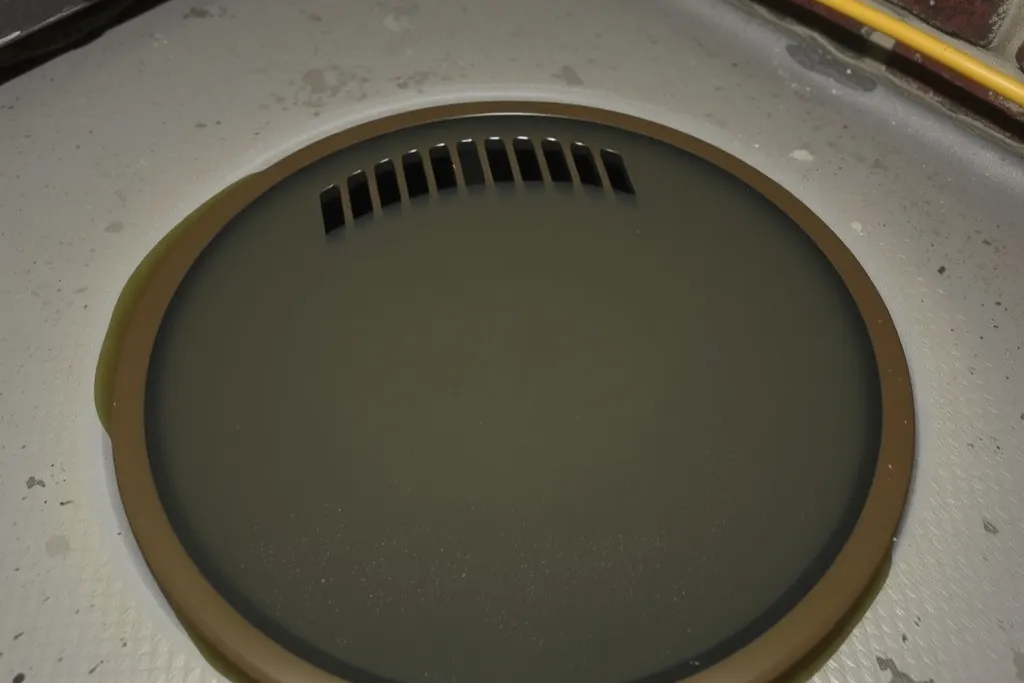
Why do some Philadelphia basements back up in heavy rain?
Philadelphia's older sewers are combined, carrying storm runoff and household wastewater in the same pipes. Today's streets are far more paved than when they were built, so rain reaches the pipes fast and can fill them beyond capacity. The Water Department names low-lying parts of Germantown, Kensington, Northern Liberties, Center City, South Philadelphia and Port Richmond.
Press reports add that the Delaware River has risen about a foot since the system was built, which leaves less room for the water to drain out.
Storm inlets matter as well. The city has roughly 72,000 of them, and leaves, dirt and trash clog them, while some were sealed shut by repaving that raised the street above the curb drain.
What is the Basement Backup Protection Program?
The Philadelphia Water Department's Basement Backup Protection Program installs free backwater valves on basement fixtures or the main house drain for qualifying homes, with a one-year warranty on the valves and installation. The homeowner maintains them. Information is at water.phila.gov/basement or 215-685-6069.
The program is for homes in the city. If you live outside it, a plumber can tell you whether a backwater valve fits your drain, and your borough or township can tell you who maintains the sewer in your street.
A valve must be kept clear of debris to work, and a plumber may suggest checking it each season.
What does sewage damage mean for insurance?
Sewer or drain backup is typically covered only if your homeowners policy has an endorsement for it, and a water backup and sump discharge endorsement is the usual one. Flood from creeks and rivers is a separate matter. Your insurer decides, so ask your agent before a loss.
Photograph everything before it is removed, keep the list of discarded items and call your insurer early. The crew's readings and photographs can go with your claim.
Consumer claim questions go to the state Insurance Department.