Phones answered 24/7Jenkintown, PA 19046
Call (833) 490-5225
Phones answered 24/7Call any time(833) 490-5225
Urgent? Phones answered 24/7

Ice Dams and Roof Leaks: Water Damage Cleanup in Jenkintown

Interior drying and cleanup, plus emergency tarping, after snowmelt backs up under shingles and into a ceiling.

  • Phones answered 24/7
  • Flooded basements, burst pipes, sewer backups
  • The emergency figure is agreed up front
  • Readings and photographs from every visit, for your claim

Get a fast quote

Fastest: call (833) 490-5225. Or send this and we call you back.

Ice Dams

Ice Dam and Roof Leak Water Damage: what it covers

Quick answer

An ice dam forms when heat escaping into the attic melts snow, and the meltwater refreezes at the cold eave and backs up under the shingles. The water then enters the top-floor ceiling and walls. A crew dries the interior and can tarp an opening; roof replacement is not part of this work. Phones are answered 24/7.

Ice Dam and Roof Leak Water Damage illustration for Jenkintown, PA, with rolling hills in the background

If water is coming through a top-floor ceiling during a thaw, keep clear of the stain and put a bucket under it. Move furniture and rugs out of the way, and do not climb onto an icy roof to chip at the ice. Chipping can tear shingles, and a fall from a wet, frozen roof is a far bigger danger than the leak.

Ice dams are a cold-climate problem, and Jenkintown has the climate for them. Winters bring a January average low near 25.6 degrees Fahrenheit and a seasonal snowfall normal of about 23.1 inches, and early 2026 delivered snow at levels not seen in about ten years. Older houses, with thin insulation and roofs that were never built to shed heat evenly, are where this problem shows up first.

This page covers how an ice dam forms, what the crew does inside the house, what a temporary tarp can and cannot do and where the roofer's job begins. The crew handles the wet ceiling, the soaked insulation and the drying. Repairing or replacing the roof itself is a roofer's job, and it is not something this service offers.

Service area
Jenkintown & Montgomery County
Availability
Phones answered 24/7, emergencies first
Typical cost
$250–$1,200 (estimate)
Warning signs

Signs you need ice dam and roof leak water damage

Stay off an icy or snow-covered roof, and do not chip at ice dams with tools. Stay clear of ceilings that bulge or drip, especially near light fixtures, and never work from a ladder on frozen ground.

  • A stain or drip on a top-floor ceiling during a thaw or after snow
  • Icicles hanging along the eave, with a thick ridge of ice behind them
  • Water stains on an exterior wall just below the roof line
  • Wet or compressed insulation when you look into the attic
  • Peeling paint or bubbling plaster on a sloped or knee-wall ceiling
  • A damp, musty smell in the top floor after snowmelt
  • Frost or condensation on the underside of the roof deck
  • Gutters packed with ice and downspouts that run dry in a thaw
Cost

How much does ice dam and roof leak water damage cost in Jenkintown?

Interior damage from an ice dam is usually limited to one ceiling area and the attic floor above it, but wet insulation and plaster add to the bill. These figures cover the water side, not the roof.

Ice Dam and Roof Leak Water Damage pricing in Montgomery County (2026)
JobTypical rangeWhat it includes
Emergency board-up or roof tarp$250–$1,200A temporary cover, not a roof repair
Ceiling water damage repair (one section, including paint)$500–$1,800After the cavity is dry
Structural drying for one room (3–5 days, equipment and monitoring)$800–$2,500Includes readings until framing is dry
Antimicrobial application (per sq ft)$0.50–$2.00Used where insulation stayed wet
Air mover (per unit, per day)$25–$50Several are set along the wet ceiling cavity

These are working estimates for Montgomery County in 2026. They are not a quote, and the roof repair or replacement is a roofer's separate price. Your emergency-stage cost is explained and approved before work starts.

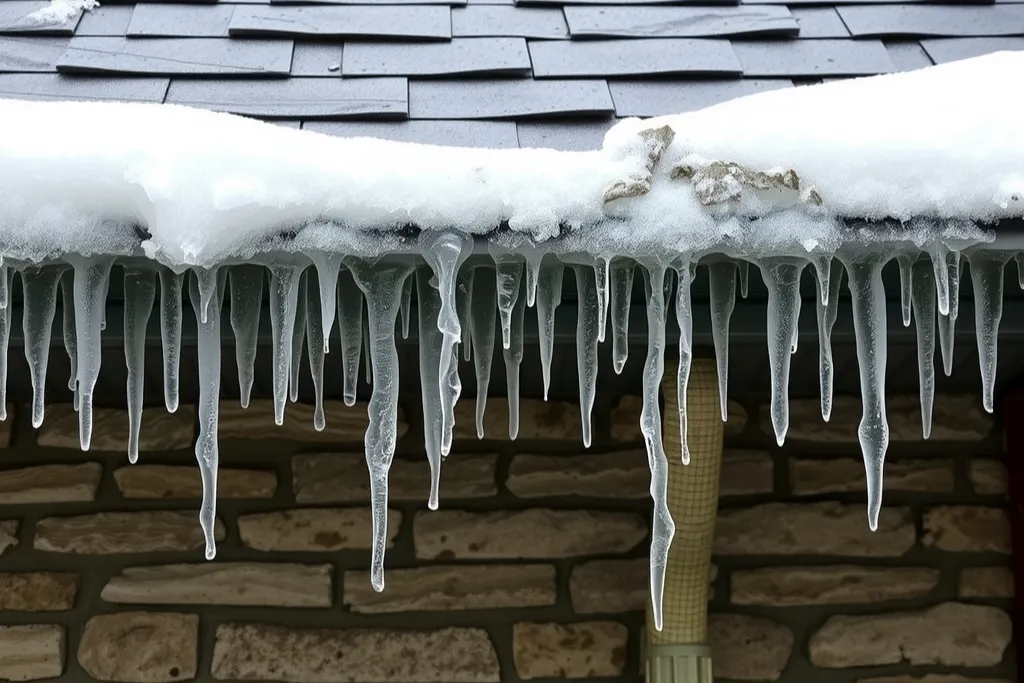
A ridge of ice and heavy icicles along the eave of a slate-coloured roof above a gutter.
Heat escaping into the attic melts the snow, and the meltwater refreezes at the cold eave.Each picture on this site was generated to show the old stone and brick houses around Jenkintown and the kind of water damage they suffer; none of them is a photograph of a real home or of any job done for a customer.
Job stories

Typical jobs for ice dam and roof leak water damage

Typical job
Illustration: An ice dam pushes water through the top-floor ceiling of a North Philadelphia rowhouse

An ice dam pushes water through the top-floor ceiling of a North Philadelphia rowhouse

What homeowners notice
During a thaw after a heavy snow, a band of ice builds along the front eave of a brick rowhouse in North Philadelphia, and meltwater backs up under the shingles. A brown stain spreads across the plaster ceiling of the top-floor bedroom, and a section sags near the wall.
What we do
The crew checks the ceiling and the insulation above it with a thermal camera and meters, cuts out the sagging section of plaster, removes the wet insulation and sets air movers and a dehumidifier. A roofer handles the roof and flashing, and an insulation contractor can look at the attic heat loss, both as separate work.
What to expect
The ceiling cavity tests dry after a few days of checks, the homeowner has photos and readings for the insurer, and ceiling repair is quoted once the framing is dry.

3 hours typical visit

Options

Types and options for ice dam and roof leak water damage

Eave ice dams

This is the classic pattern. A band of ice builds along the eave, where the roof is cold, while the upper roof stays warm from heat leaking through the ceiling. Meltwater runs down, freezes and pools behind the ice, then finds a gap under the shingles.

Valley and flashing leaks

Where two roof planes meet, or where a roof meets a chimney or a dormer, snow and ice collect and meltwater has more places to enter. Old flashing that has lifted or rusted lets water in with or without a large ice dam.

Knee-wall and sloped-ceiling leaks

Attic rooms and dormers have short walls and sloped ceilings, with little space for insulation and ventilation. Water entering there is hard to see, and it often shows up on a finished wall instead of a flat ceiling.

Gutter and downspout backups

Ice and debris in gutters hold water against the eave, where it can soak the fascia and run inside the wall. Clearing gutters before winter reduces the risk, and the crew deals with the interior when it already got in.

Skip the guesswork. Call for a straight answer.

Tell us what's happening and we'll tell you honestly whether it's a quick fix, and what ice dam and roof leak water damage should cost.

How does an ice dam actually form on an older roof?

Heat escaping from the living space warms the roof deck, so snow on the upper roof melts. The meltwater runs down to the colder eave and refreezes, building a ridge of ice. Water then pools behind that ridge and creeps up under the shingles. Poor attic insulation and weak ventilation both make it more likely.

A roof stays cold in winter only if heat stays out of the attic. In many older houses, ceiling insulation is thin or patchy, and warm air leaks up around chimneys, recessed lights and the tops of walls. That warms the deck just enough to melt the snow above it.

At the eave, the roof extends past the heated walls and stays cold. The water freezes there, forms a dam and holds the next round of meltwater. Shingles are made to shed water downhill, not to hold a pool pushed uphill.

Roof ventilation helps by moving cold air under the deck and keeping it uniformly cool. Older roofs often have little of it, or the vents are blocked, but that varies house to house and a roofer can check yours.

  • Heat leaking into the attic melts the snow
  • Meltwater refreezes at the cold eave
  • Ice holds new meltwater behind it
  • Water backs up under shingles and enters the house

Why does ice dam damage show up in the ceiling and not on the roof?

Water that gets past the shingles runs along the roof deck, soaks the insulation and drips onto the ceiling below. The roof may look fine from the street. Damage tends to appear on the top-floor ceiling, at the tops of exterior walls and in the attic. Stained plaster, wet insulation and mold are the usual signs.

The roof is often fine until the next thaw, which is part of why the problem repeats. Water finds the same gap in each cold spell, so a stain that dries out in March can return in January.

In an older house, the ceiling under that gap is often plaster. Plaster holds water and then sags, and wet insulation above it keeps the area damp long after the snow has gone. The ceiling water damage page explains what happens to plaster that gets this wet.

Mold can grow on wet insulation and roof framing if it stays damp. The EPA advises drying water-damaged materials within 24 to 48 hours, which is why wet insulation is usually removed and not left to dry slowly.

What can a temporary roof tarp do, and what can it not do?

A tarp covers an opening and slows water while you arrange a roofer. It does not repair shingles, flashing or the roof deck, and it is not a long-term fix. Emergency tarping is part of the work here, but roof repair and roof replacement are not. A roofer handles the permanent repair.

Tarping a snowy or icy roof is not always safe. If the roof is too icy or steep to reach, the crew will say so and focus on protecting the inside until conditions improve.

A tarp has to be fastened properly and tied to a structure that can hold it, so it does not blow off or tear shingles. A badly secured tarp can do more harm than none.

After the tarp, the next steps are a roofer for the repair and the crew for the interior. The two can work in sequence, and keeping the dates in order means the roof is closed before new drywall goes up.

What should you do while snow is still on the roof?

Stay off the roof, protect the room below and call. Put buckets and plastic sheeting under active drips, move belongings and photograph the damage. Do not chip ice with a hammer or axe, since that can tear shingles and invite a fall. Phones are answered around the clock, and a crew goes out as soon as one is free.

Inside, the goal is to slow the damage. Punching a small hole in a bulging ceiling to drain water into a bucket is something a technician does carefully, because the plaster above may be heavy and ready to come down.

Open the attic hatch if you can reach it safely and look at the insulation. If it is wet or matted, tell the crew and the roofer, since it shows where the water entered.

After the thaw, ask a roofer or an insulation contractor about the cause. Fixing the heat leak and the ventilation is what prevents a repeat, and that work is outside what a restoration crew does.

Our process

How our ice dam and roof leak water damage visit works

  1. Limit the water coming in

    Buckets and plastic sheeting protect the room. If an opening is the source and the roof is safe to reach, an emergency tarp is placed to slow the water until a roofer can repair it.

  2. Find what is wet

    Moisture meters and a thermal camera show how far water traveled through the ceiling, wall tops and attic floor. Meltwater tends to pool in low spots and then run along framing.

  3. Remove what cannot dry

    Wet insulation is pulled out, and plaster or drywall that has sagged or gone soft is cut out in sections. Leaving soaked insulation in place keeps the roof framing wet.

  4. Dry the cavity

    Air movers and dehumidifiers run until the ceiling cavity, the attic floor and the wall tops read dry. In winter, the heat stays on so cold framing releases moisture.

  5. Record and quote repairs

    You get photos and moisture readings for your records and any insurance claim. Replacement insulation, plaster, drywall and paint are quoted separately once everything tests dry.

Montgomery County

Why ice dam and roof leak water damage is different in Greater Philadelphia

Jenkintown and the surrounding Montgomery County townships have plenty of older roofs over older insulation. Stone twins, brick rowhouses and larger older homes were built before modern attic standards, and many have thin ceiling insulation, little ventilation or both. Those are the conditions that let heat reach the roof deck.

The weather supplies the rest. The 1991 to 2020 normals put the January average low at about 25.6 degrees Fahrenheit and seasonal snowfall at 23.1 inches, and the freeze-thaw cycles of January through March are when meltwater refreezes at the eaves. Early 2026 added snow at levels not seen in about ten years.

Row and twin houses add a wrinkle: roofs that meet at a party wall share a flashing line and sometimes a gutter. A leak at that joint can reach the neighboring house, so tell the crew which wall is shared, and see the rowhouse and twin water damage page for how attached houses are handled.

Related

Ceiling Water Damage

Drying and cleanup when water reaches a ceiling, including old plaster-over-lath ceilings that sag and fall.

Storm Damage Restoration

Interior water cleanup and drying after storms, plus emergency tarping or board-up, not roof replacement.

Structural Drying

Monitored drying of plaster-and-lath walls, hardwood over joists and stone or brick, with daily readings until dry.

Guides

Read before you book

FAQ

Ice Dam and Roof Leak Water Damage FAQs

Will insurance cover ice dam damage?

Sudden water damage is often covered, but long-term leaks, wear and maintenance problems are usually not. Whether yours is covered turns on the cause and on your own policy wording. Your agent can explain it, and the crew can give you photos and moisture readings for a claim.

Can you remove the ice from my roof?

The work here is interior drying and emergency tarping. Ice removal and roof repair are a roofer's work, and chipping ice yourself can damage shingles and is dangerous. If water is coming in, protect the room and call.

Why does the leak stop and then come back?

Ice dams form during freeze and thaw cycles, so water enters during a thaw and stops when it freezes again. The gap under the shingles is still there. Unless the heat leak and the roof gap are fixed, the next thaw can repeat it.

Is wet attic insulation a problem?

Yes. Wet insulation holds water against the roof deck and framing, loses much of its insulating value and can grow mold. It is usually removed, and the area is dried before new insulation goes in.

Do you replace roofs?

No. Roof repair and replacement are not part of this work. The crew tarps an opening as a temporary measure, dries the inside of the house and repairs the plaster or drywall afterward.

How soon does mold start after an ice dam leak?

It can start within a day or two in damp, warm conditions, though it depends on the material and the temperature. EPA guidance advises drying water-damaged materials within 24 to 48 hours. If wet insulation or a damp ceiling has been there longer, a mold inspection may be worth considering.

Find Jenkintown Water Damage Restoration on